
-

- Humm Finance
- Humm Finance
- 38 Years In Business
- Care Plan
- Wishlist
- Inspiration Hub
- Inspiration Hub
- Interior Design
- About
- Sustainability
- Interactive Tools
- Interactive Tools
- Furniture Store of the Year 2025
- 38 Years In Business
- Care Plan
- Podcast
- Sign in
- Find a Store
- Order direct: 0818 776688
- Contact us
- About us
 38 YEARS
 NATIONWIDE

-

- Garden
- Garden
- Garden
- Type
- Material
-
- Sofas
- Chairs
- Tables
- Bedroom
- Mattresses
- Storage
- Storage by Type
-
- Accessories
- What's New?
- New In
-
- Special Offers
- Shop by Room
- Dining
- Living
-
- Brands
- Christmas Decorations
- Christmas Tree Decorations
- Tableware
- Christmas Candles & Candle Holders
- Soft Furnishings
- Store Locator
- Wishlist
- 0% APR Finance
- Inspiration Hub
- Interior Design
- Gift Card
-
Looking for the perfect gift?
Surprise someone special
with a gift card Buy Gift Card
 Check Your Gift Card Balance
-

- Gift Card
-
Looking for the perfect gift?
Surprise someone special
with a gift card- Buy Gift Card
- Check Your Gift Card Balance
-
- Podcast
- Sustainability
- Room Designer
- 37 Years In Business
- Sign in
- Find a Store
- Order direct: 0818 776688
- Contact us
- About us
Bedside Lockers Buying Guide
Bedside Locker Buying Guide: How to Choose the Right Bedside Table for Your Bedroom
We spend around a third of our lives sleeping, yet an estimated seven additional years trying to fall asleep. The way a bedroom is designed directly affects how calm, comfortable, and functional it feels. While beds and mattresses often take priority, bedside lockers play a quiet but powerful role in shaping the sleep environment.
A bedside locker is more than a place for a lamp. It acts as a nightstand, storage solution, design feature, and everyday essential hub, supporting both practical needs and emotional comfort. Whether you’re furnishing a new home, refreshing a bedroom, or replacing older furniture, choosing the right bedside locker can significantly improve how your space works and feels.
What Is a Bedside Locker?
A bedside locker is a small table or cabinet placed next to a bed, designed to hold night-time essentials such as a lamp, books, glasses, water, or personal items. Bedside lockers often include drawers, shelves, or cabinets and are also known as bedside tables or nightstands.
Why Are Bedside Lockers Important?
Bedside lockers enhance both bedroom organisation and sleep comfort by keeping essential items within reach and reducing clutter.
Key benefits of bedside lockers:
- Keeps night-time essentials organised
- Reduces physical and visual clutter
- Improves comfort and convenience in bed
- Supports healthier sleep routines
- Completes the overall bedroom design
Small furniture choices can have a disproportionate impact on how restful a bedroom feels.
How to Choose the Right Bedside Locker
1. Get the size and proportions right
Correct sizing is fundamental when choosing bedside furniture, especially in bedrooms with limited space.
Recommended bedside locker guidelines:
- Height: level with or slightly below the mattress top
- Width: narrow for compact rooms, wider for added storage
- Depth: enough for a lamp and essentials without crowding walkways
Always measure the available space beside your bed before purchasing. In smaller bedrooms, prioritise vertical storage — drawers or shelving that add capacity without increasing footprint.
2. Choose the Right Storage Type
Your storage needs should reflect how you actually use your bedside space.
Common bedside locker storage options:
- Drawers for concealed storage and visual calm
- Open shelves for quick access
- Cabinets for bulkier items
- Minimal tables for lamps and books only
If tidiness and mental calm are priorities, drawers are often the most effective option.
3. Match Your Lifestyle and Night-Time Routine
A bedside locker should support how you wind down and wake up.
Consider whether you:
- Read in bed
- Journal before sleeping
- Use skincare or aromatherapy
- Want to reduce phone use at night
Having the right storage makes it easier to swap distractions for sleep-supportive habits, such as keeping a journal or alarm clock beside the bed instead of a phone.
How Bedside Lockers Improve Comfort and Wellbeing
Your bedside furniture directly influences how peaceful your bedroom feels. An organised, intentional bedside setup reduces friction at the end of the day, helping you relax more easily.
Comfort isn’t only about convenience, it’s about creating a space that feels settled, calm, and supportive of rest. When essentials are within reach and clutter is contained, your bedroom becomes a place of genuine recovery rather than overstimulation.
What Style of Bedside Locker Is Best?
There’s no single best style, only what suits your space and taste.
Popular bedside locker styles:
- Modern: clean lines, minimal detailing
- Traditional: classic forms and timeless finishes
- Scandinavian: light woods, simplicity, hidden storage
- Rustic: textured timber and natural warmth
- Industrial: mixed materials like wood and metal
Designs that balance visual interest with restraint tend to age better than trend-driven pieces.
Best Materials for Bedside Lockers
Material choice affects durability, appearance, and long-term satisfaction.
Common bedside locker materials
- Solid wood or wood veneer for warmth and longevity
- Metal accents for contrast and structure
- Painted finishes for flexibility in colour schemes
Natural wood grain remains a popular choice due to its ability to complement both modern and traditional interiors.
How to Style a Bedside Locker
Styling your bedside locker thoughtfully creates both visual and emotional cohesion in the bedroom.
Simple bedside styling principles:
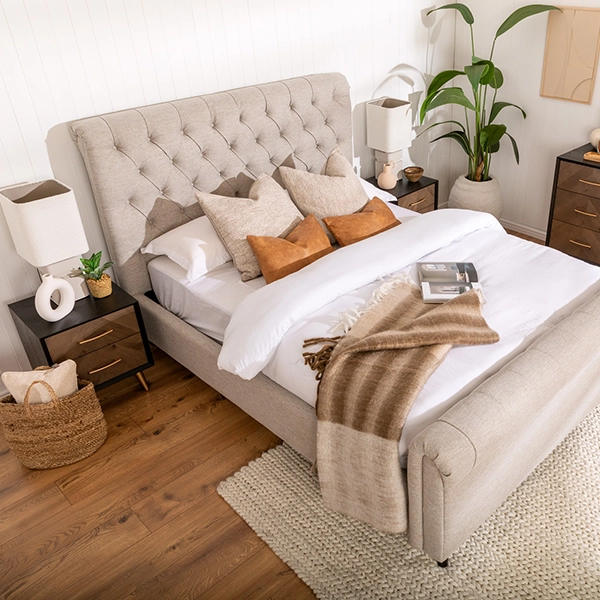
- Use one lamp per side for balance
- Limit surface items to 3–5 essentials
- Keep frequently used items within easy reach
- Use drawers to hide clutter
- Match finishes with other bedroom furniture
A calm visual environment has been shown to support better sleep quality.
Can a Bedside Locker Be Used Elsewhere?
Yes. A well-chosen bedside locker is a versatile piece of furniture.
Alternative uses include:
- Side tables in living rooms
- Lamp tables in hallways
- Storage beside sofas or armchairs
- Compact storage in guest bedrooms
Choosing a versatile design extends the usefulness and lifespan of your furniture.
What Makes a Good Bedside Locker?
A good bedside locker balances function, proportion, durability, and design.
Before buying, check that it:
- Fits the available space comfortably
- Aligns with bed height
- Provides adequate storage
- Complements your bedroom style
- Is made from durable materials
When these elements align, a bedside locker becomes an everyday essential that quietly supports better rest, organisation, and comfort.
EZLiving Interiors Assistant
Loading chat…
Hi, I'm your personal shopping assistant!
Please enter your details to start the chat
Assistant is typing…Initializing…This chat has closed.
Are you sure you want to end this chat?